
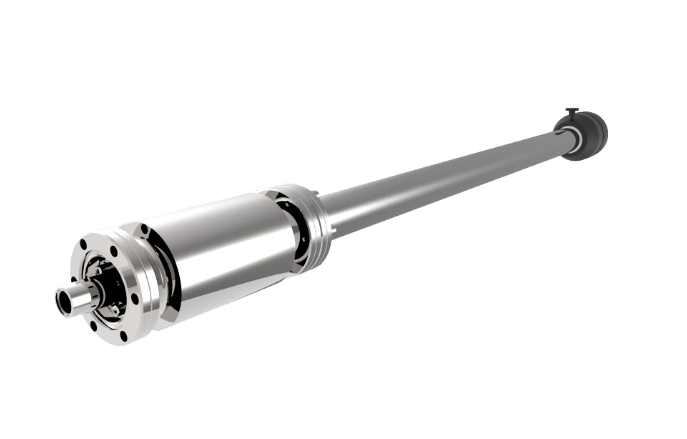

In many industrial processes, transferring samples safely and efficiently is an essential part of quality control and product testing. A Sample Transfer Arm plays a vital role in moving samples from one point to another without contamination or spillage. Choosing the right Sample Transfer Arm for your specific industrial needs can improve your workflow, ensure safety, and maintain the quality of your samples. This article will guide you through the important factors to consider when selecting a Sample Transfer Arm for your industrial applications.
Understanding the Role of a Sample Transfer Arm
A Sample Transfer Arm is a device designed to transfer fluid, gas, or solid samples between different parts of a production line or testing system. These arms are commonly used in industries such as pharmaceuticals, chemicals, food and beverages, and manufacturing. The arm helps operators take representative samples from tanks, pipelines, or reactors safely and reliably.
The correct Sample Transfer Arm minimizes the risk of contamination, exposure to hazardous substances, and sample loss. It can also improve accuracy and repeatability in testing, which is critical for maintaining product standards and regulatory compliance.
Key Factors to Consider When Choosing a Sample Transfer Arm
Selecting the right Sample Transfer Arm requires understanding the specific requirements of your industrial application. One important factor is the type of material you will be sampling. Different materials—whether liquids, powders, or gases—may require different arm designs and materials to prevent contamination or corrosion.
Another critical consideration is the temperature and pressure conditions of the process. Some Sample Transfer Arms are built to withstand high temperatures or pressures, while others are designed for standard conditions. Choosing an arm that matches your operating environment ensures durability and safe operation.
The size and reach of the Sample Transfer Arm are also essential. The arm must be long enough to reach the sampling point comfortably without causing strain or risking operator safety. It should also be flexible enough to maneuver around obstacles or fit into tight spaces if necessary.
Material and Construction Quality Matter
The construction material of the Sample Transfer Arm directly affects its performance and longevity. Stainless steel is a common choice because it offers excellent resistance to corrosion and is easy to clean, which is important for industries like food and pharmaceuticals.
In some applications, specialized coatings or materials may be necessary to handle aggressive chemicals or extreme temperatures. Make sure to select a Sample Transfer Arm made from materials compatible with the substances it will contact to avoid contamination and equipment damage.
Ease of Use and Maintenance
A well-designed Sample Transfer Arm should be user-friendly and easy to operate. Features such as smooth rotation, adjustable length, and ergonomic handles can improve efficiency and reduce operator fatigue. Additionally, the arm should be straightforward to clean and maintain to ensure consistent performance and prevent contamination between samples.
Maintenance requirements vary between different Sample Transfer Arms, so consider how often your equipment will need servicing and if replacement parts are readily available. Choosing an arm with simple maintenance procedures can save time and reduce downtime in your operations.
Safety Features Are Crucial
Safety is a top priority in industrial environments, especially when dealing with hazardous or toxic materials. A Sample Transfer Arm should incorporate safety features such as secure locking mechanisms to prevent accidental disconnection or spillage. Some arms also include built-in containment or sealing systems to protect operators and the environment from exposure.
Be sure to evaluate the safety certifications and compliance of the Sample Transfer Arm with industry standards. This can provide added confidence that the equipment meets necessary safety and quality regulations.
Customization Options for Specialized Needs
Many manufacturers offer customizable Sample Transfer Arms to meet unique industrial requirements. Customization can include different arm lengths, materials, fittings, and control options. If your application involves unusual sampling conditions or materials, a tailored solution might be the best choice to ensure optimal performance and safety.
Working with a knowledgeable supplier or manufacturer can help you identify the best customization options for your needs and ensure proper installation and support.
Conclusion
Choosing the right Sample Transfer Arm for your industrial applications is crucial for ensuring safe, efficient, and accurate sample collection. By considering factors such as material compatibility, operating conditions, arm size, ease of use, maintenance, safety features, and customization options, you can select a Sample Transfer Arm that enhances your process and protects your products and personnel.
Investing time in selecting the correct Sample Transfer Arm will result in smoother operations, better sample quality, and improved compliance with industry standards. Always consult with experienced suppliers and review product specifications carefully before making your decision.