
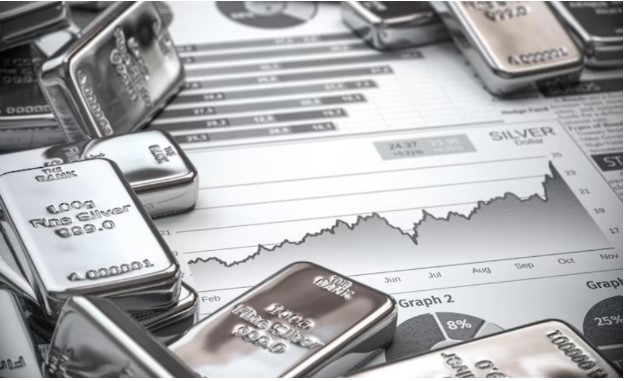

The precious metals market is closely linked to global financial conditions, and silver is one of the most actively traded metals in this space. When people talk about silver investment or jewelry pricing, they often refer to the silver spot price, which is the current market price at which silver can be bought or sold for immediate delivery. This price changes constantly based on supply, demand, economic conditions, and investor sentiment. Understanding how the silver spot price works is important for anyone planning to buy silver, whether for investment, savings, or personal use.
Understanding Silver Spot Price
The silver spot price represents the real-time value of silver in global markets. It is determined by trading activity on major commodity exchanges where silver is bought and sold in large volumes. This price is usually quoted per ounce and serves as the base reference for all silver-related transactions.
However, the silver spot price is not the final price consumers pay. It acts as a foundation, and additional costs such as manufacturing, distribution, and dealer margins are added on top. Still, it remains the most important benchmark for understanding whether silver is becoming more expensive or more affordable in the market.
How Spot Price Impacts Retail Prices
Every silver product, including coins, bars, and jewelry, is influenced directly by the silver spot price. When the spot price rises, the cost of buying silver products also increases almost immediately. Dealers adjust their prices to match the market so that they remain profitable and aligned with global trading conditions.
On the other hand, when the silver spot price falls, buyers may notice lower retail prices, although the decrease is not always equal. This is because production costs and dealer premiums do not change as quickly as market prices. As a result, understanding the relationship between spot price and retail pricing helps buyers make more informed decisions and avoid overpaying during price spikes.
Timing Your Buying Decisions
Timing plays a major role when purchasing silver. Many buyers monitor the silver spot price regularly to decide when to enter the market. Buying during a period of lower spot prices can result in better long-term value, especially for investors who plan to hold silver for years.
However, predicting short-term movements in the silver spot price is difficult because it is influenced by global economic news, currency strength, and market speculation. Instead of trying to time the market perfectly, many buyers prefer a steady purchasing strategy, buying small amounts over time to average out price fluctuations.
Factors That Influence Buying Decisions
Several factors linked to the silver spot price can affect a buyer’s decision-making process. Economic uncertainty often increases demand for silver as a safe-haven asset, which can push the spot price higher. Inflation also plays a key role, as investors turn to precious metals to protect their wealth.
Industrial demand is another important factor since silver is widely used in electronics, solar panels, and medical equipment. When industrial demand rises, the silver spot price can increase due to limited supply. Understanding these influences helps buyers anticipate market trends and make more confident purchasing choices.
Practical Approach for Buyers
For most buyers, the best approach is to stay informed and focus on long-term goals rather than short-term price changes. Watching the silver spot price regularly can provide useful insights, but decisions should also consider personal budget, purpose of buying, and market stability.
It is also helpful to compare different dealers and understand how premiums are added to the spot price. This ensures that buyers get fair value and avoid unnecessary costs. A balanced approach that combines market awareness with practical budgeting often leads to better results in the long run.
Conclusion
The silver spot price is a key factor that directly affects how much buyers pay for silver in any form. It reflects global market conditions and acts as the foundation for all pricing in the precious metals industry. By understanding how it works and what influences it, buyers can make smarter and more confident decisions. Instead of reacting to daily changes, focusing on long-term trends and steady buying habits can help individuals manage risk and gain better value from their silver purchases.